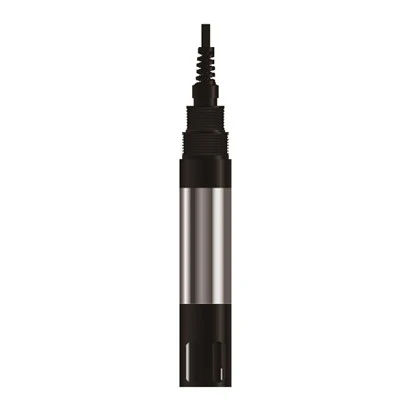
ORP (Oxidation-Reduction Potential) analyzers play a crucial role in various scientific research fields. As a supplier of ORP analyzers, I have witnessed firsthand how these devices contribute to the advancement of scientific knowledge. In this blog, I will explore how an ORP analyzer assists in scientific research.
Understanding ORP and Its Significance
ORP is a measure of the tendency of a chemical species to acquire electrons and thereby be reduced. It is expressed in millivolts (mV) and provides information about the redox state of a solution. A positive ORP value indicates an oxidizing environment, while a negative value suggests a reducing environment.
In scientific research, understanding the redox state of a system is essential for several reasons. For example, in environmental science, ORP can be used to assess the quality of water bodies. High ORP values in water may indicate the presence of oxidizing agents such as chlorine or oxygen, which can have a significant impact on aquatic life. In contrast, low ORP values may suggest the presence of reducing agents such as hydrogen sulfide, which can be toxic to many organisms.
In biological research, ORP is also important. Cells maintain a specific redox balance, and disruptions in this balance can lead to various diseases. By measuring the ORP of biological samples, researchers can gain insights into cellular metabolism and the mechanisms underlying disease processes.
Applications of ORP Analyzers in Scientific Research
Environmental Science
One of the most common applications of ORP analyzers in environmental science is in water quality monitoring. Orp Online provides real - time data on the redox potential of water, which can be used to detect changes in water quality. For instance, in wastewater treatment plants, ORP analyzers can be used to monitor the efficiency of the treatment process. By maintaining a specific ORP range, operators can ensure that the treatment process is effective in removing pollutants and pathogens.
In natural water bodies such as rivers, lakes, and oceans, ORP analyzers can help researchers understand the biogeochemical processes occurring in the water. For example, in estuaries, where freshwater and saltwater mix, the ORP can change significantly due to the interaction of different chemical species. By measuring the ORP, researchers can study the movement of nutrients and pollutants in these complex ecosystems.
Microbiology
In microbiology, ORP analyzers are used to study the growth and metabolism of microorganisms. Different microorganisms have different redox requirements for growth. For example, aerobic bacteria thrive in an oxidizing environment, while anaerobic bacteria prefer a reducing environment. By measuring the ORP of a culture medium, researchers can create the optimal conditions for the growth of specific microorganisms.
ORP analyzers can also be used to monitor the metabolic activity of microorganisms. As microorganisms grow and metabolize, they can change the redox state of the surrounding environment. By continuously monitoring the ORP, researchers can track the growth and activity of microorganisms over time. This is particularly useful in bioreactor applications, where the control of the redox environment is crucial for the efficient production of bio - products such as antibiotics and enzymes.
Materials Science
In materials science, ORP analyzers are used to study the corrosion behavior of metals. Corrosion is an electrochemical process that involves the oxidation of metals. By measuring the ORP of a solution in contact with a metal, researchers can determine the likelihood of corrosion occurring. A high ORP value in the solution indicates a more oxidizing environment, which can accelerate the corrosion process.
ORP analyzers can also be used to develop corrosion - resistant materials. By studying the relationship between the ORP of a solution and the corrosion rate of different metals and alloys, researchers can design materials with improved corrosion resistance. This is important in various industries, such as the automotive, aerospace, and construction industries, where the durability of materials is a critical factor.
How ORP Analyzers Work
ORP analyzers typically consist of an electrode, a reference electrode, and a meter. The electrode measures the ORP of the solution, while the reference electrode provides a stable potential for comparison. The meter then displays the ORP value in millivolts.


The electrode used in an ORP analyzer is usually made of a noble metal such as platinum. Platinum is a good conductor of electricity and is relatively inert, which makes it suitable for measuring the redox potential of a solution. The reference electrode is typically a silver - silver chloride electrode, which provides a stable and reproducible potential.
Modern ORP analyzers are often equipped with advanced features such as digital displays, data logging capabilities, and automatic temperature compensation. These features make it easier for researchers to collect and analyze data. For example, data logging capabilities allow researchers to record the ORP values over a period of time, which can be useful for studying long - term trends. Automatic temperature compensation ensures that the ORP measurements are accurate, as the redox potential of a solution can be affected by temperature.
Advantages of Using ORP Analyzers in Scientific Research
- Real - Time Monitoring: ORP analyzers provide real - time data on the redox potential of a solution. This allows researchers to quickly detect changes in the redox state of a system and take appropriate action. For example, in a bioreactor, real - time ORP monitoring can help operators adjust the oxygen supply to maintain the optimal redox environment for the growth of microorganisms.
- Accuracy: ORP analyzers are designed to provide accurate measurements of the redox potential. The use of high - quality electrodes and advanced electronics ensures that the measurements are reliable. This is important in scientific research, where accurate data is essential for drawing valid conclusions.
- Versatility: ORP analyzers can be used in a wide range of applications, from environmental science to materials science. They can be used to measure the ORP of different types of solutions, including water, biological samples, and chemical solutions. This versatility makes ORP analyzers a valuable tool for researchers in various fields.
Conclusion
In conclusion, ORP analyzers are essential tools in scientific research. They provide valuable information about the redox state of a system, which is crucial for understanding various biological, environmental, and chemical processes. Whether it is monitoring water quality, studying the growth of microorganisms, or developing corrosion - resistant materials, ORP analyzers play a vital role in advancing scientific knowledge.
If you are involved in scientific research and are looking for a reliable ORP analyzer, we are here to help. Our ORP analyzers are designed to provide accurate and real - time data, with advanced features to meet the needs of modern research. Contact us to discuss your requirements and explore how our products can assist in your scientific research.
References
- Sawyer, C. N., McCarty, P. L., & Parkin, G. F. (2003). Chemistry for environmental engineering and science. McGraw - Hill.
- Madigan, M. T., Martinko, J. M., Dunlap, P. V., & Clark, D. P. (2009). Brock biology of microorganisms. Pearson Benjamin Cummings.
- Fontana, A. (2006). Corrosion of metals. Elsevier.