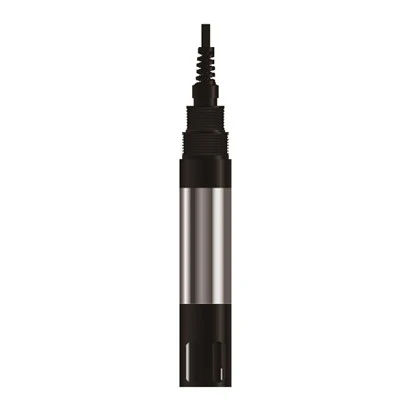
What is the error rate of optical DO sensors?
Hey there! I'm a supplier of optical DO sensors, and today I want to dive into the topic of the error rate of these nifty devices. Optical dissolved oxygen (DO) sensors are widely used in various industries, from environmental monitoring to aquaculture and wastewater treatment. They offer a non-invasive and accurate way to measure the amount of dissolved oxygen in water, which is crucial for maintaining the health of aquatic ecosystems and ensuring the efficiency of industrial processes.
So, what exactly is the error rate of optical DO sensors? Well, it's not a straightforward answer because it can vary depending on several factors. Let's take a closer look at some of these factors and how they can affect the accuracy of the sensors.
Sensor Technology
The first factor to consider is the technology used in the optical DO sensor. There are different types of optical DO sensors available on the market, each with its own advantages and limitations. Some sensors use fluorescence-based technology, while others use luminescence-based technology.
Fluorescence-based sensors work by measuring the fluorescence of a dye that is sensitive to oxygen. When oxygen molecules interact with the dye, they quench the fluorescence, and the sensor measures the change in fluorescence intensity to determine the oxygen concentration. Luminescence-based sensors, on the other hand, use a phosphorescent material that emits light when excited by a light source. The presence of oxygen affects the decay time of the phosphorescence, and the sensor measures this change to calculate the oxygen concentration.
In general, fluorescence-based sensors tend to have a lower error rate compared to luminescence-based sensors. This is because fluorescence is more stable and less affected by environmental factors such as temperature and pressure. However, both types of sensors can provide accurate measurements if they are properly calibrated and maintained.
Calibration
Calibration is another crucial factor that can affect the error rate of optical DO sensors. Calibration is the process of adjusting the sensor to ensure that it provides accurate measurements. It involves comparing the sensor's readings to a known standard and making any necessary adjustments to the sensor's settings.
Most optical DO sensors come with a calibration procedure that needs to be followed regularly to maintain accuracy. This typically involves exposing the sensor to a known oxygen concentration and adjusting the sensor's output to match the known value. The frequency of calibration depends on the application and the environment in which the sensor is used. In some cases, calibration may need to be done daily, while in other cases, it may only need to be done once a month or less.
If the sensor is not calibrated properly, it can lead to inaccurate measurements and a higher error rate. Therefore, it's important to follow the manufacturer's calibration instructions carefully and to use a reliable calibration standard.
Environmental Factors
Environmental factors such as temperature, pressure, and salinity can also affect the accuracy of optical DO sensors. Oxygen solubility in water is affected by these factors, and if the sensor is not compensated for them, it can lead to inaccurate measurements.
For example, the solubility of oxygen in water decreases as the temperature increases. Therefore, if the sensor is not calibrated for temperature, it may overestimate the oxygen concentration at higher temperatures. Similarly, the solubility of oxygen in water increases as the pressure increases, and if the sensor is not compensated for pressure, it may underestimate the oxygen concentration at higher pressures.
To compensate for these environmental factors, most optical DO sensors are equipped with temperature and pressure sensors. These sensors measure the temperature and pressure of the water and adjust the oxygen concentration readings accordingly. Some sensors also have salinity compensation capabilities, which can further improve the accuracy of the measurements in saltwater environments.
Sensor Age and Maintenance
The age of the sensor and the level of maintenance it receives can also affect the error rate of optical DO sensors. Over time, the sensor's components can degrade, which can lead to a decrease in accuracy. Additionally, if the sensor is not properly maintained, it can become contaminated or damaged, which can also affect its performance.
To ensure the long-term accuracy of the sensor, it's important to follow the manufacturer's maintenance instructions carefully. This typically involves cleaning the sensor regularly, replacing the membrane if necessary, and checking the sensor's calibration. By taking good care of the sensor, you can minimize the error rate and ensure that it provides accurate measurements for years to come.
Typical Error Rates
So, what are the typical error rates of optical DO sensors? Well, it depends on the factors we've discussed above. In general, high-quality optical DO sensors can have an error rate of less than ±1% of the measured value. However, this can vary depending on the specific sensor and the application.
For example, in some applications where high accuracy is required, such as in laboratory settings, the error rate may need to be even lower. In other applications, such as in environmental monitoring, a slightly higher error rate may be acceptable.
It's also important to note that the error rate can vary over time. As the sensor ages and is exposed to different environmental conditions, the error rate may increase. Therefore, it's important to monitor the sensor's performance regularly and to recalibrate it if necessary.
Conclusion
In conclusion, the error rate of optical DO sensors can vary depending on several factors, including the sensor technology, calibration, environmental factors, sensor age, and maintenance. By understanding these factors and taking steps to minimize their impact, you can ensure that your optical DO sensor provides accurate measurements.


If you're in the market for an optical DO sensor, I highly recommend checking out our Odo Sensor and Optical Dissolved Oxygen Sensor. These sensors are designed to provide accurate and reliable measurements in a variety of applications.
If you have any questions or would like to discuss your specific needs, please don't hesitate to reach out. We're here to help you find the right sensor for your application and to ensure that you get the most accurate measurements possible.
References
- Atlas Scientific. (n.d.). Optical Dissolved Oxygen Sensor. Retrieved from https://www.atlas-scientific.com/product_pages/sensors/do.html
- Hach. (n.d.). Optical Dissolved Oxygen Sensors. Retrieved from https://www.hach.com/optical-dissolved-oxygen-sensors
- YSI. (n.d.). Optical Dissolved Oxygen Sensors. Retrieved from https://www.ysi.com/optical-dissolved-oxygen-sensors